The Vision
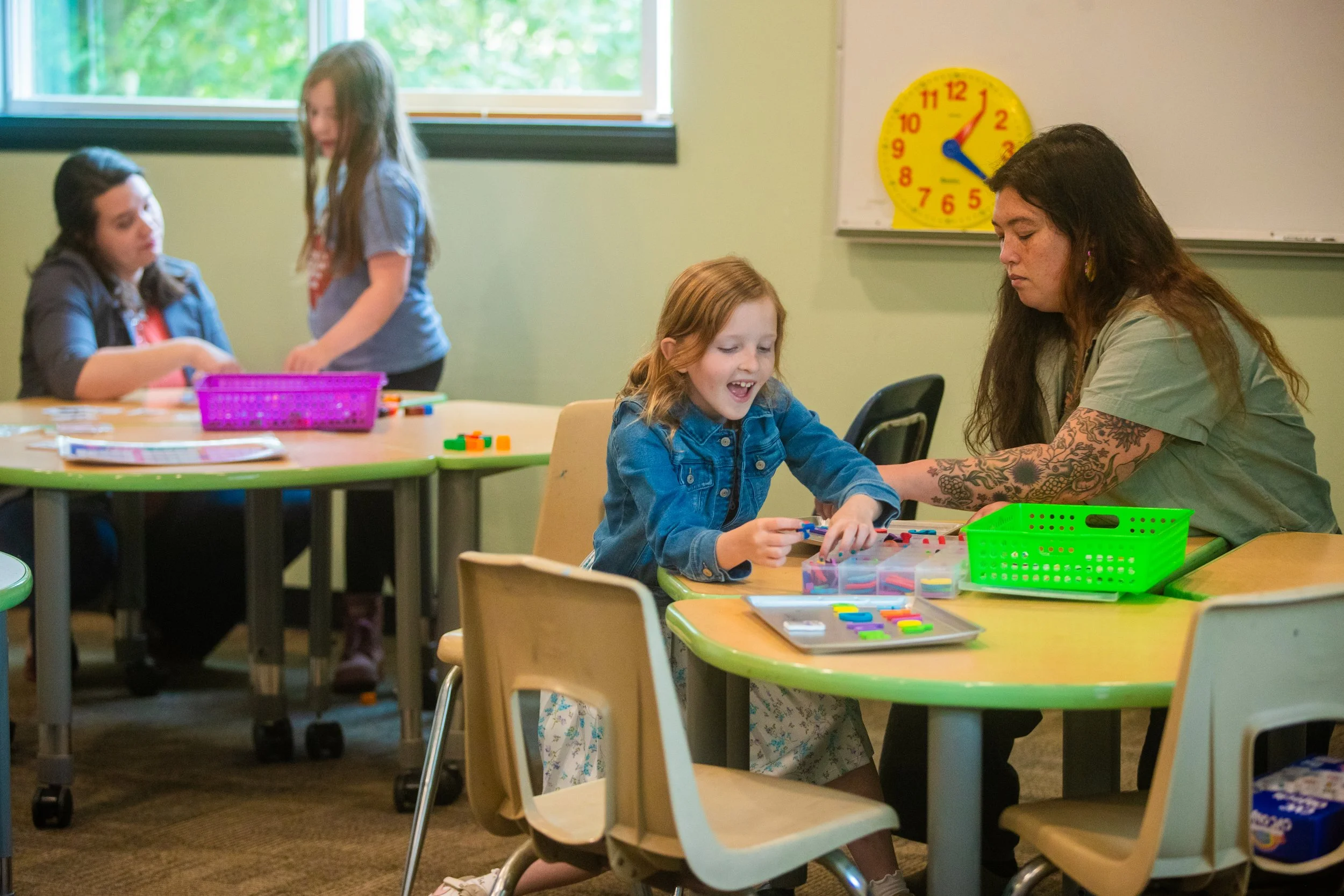
Our vision is to be a leading provider of innovative, high-quality education on the Peninsula. We strive to create a learning experience that inspires families to establish long-term roots in our community.
As our students grow, Tidepool Prep will grow with them, expanding to include middle school and eventually high school programs. We are committed to ensuring that a Tidepool Prep education becomes sustainably accessible to students from all socio-economic backgrounds.
At the heart of Tidepool Prep are three pillars: Academic Rigor, Musical Excellence, and Outdoor Education, all supported by a comprehensive commitment to Social-Emotional Learning. Together, these pillars create an environment where students are challenged intellectually, inspired creatively, connected to the natural world, and empowered to lead meaningful lives.
Project-Based Learning that Expands the World
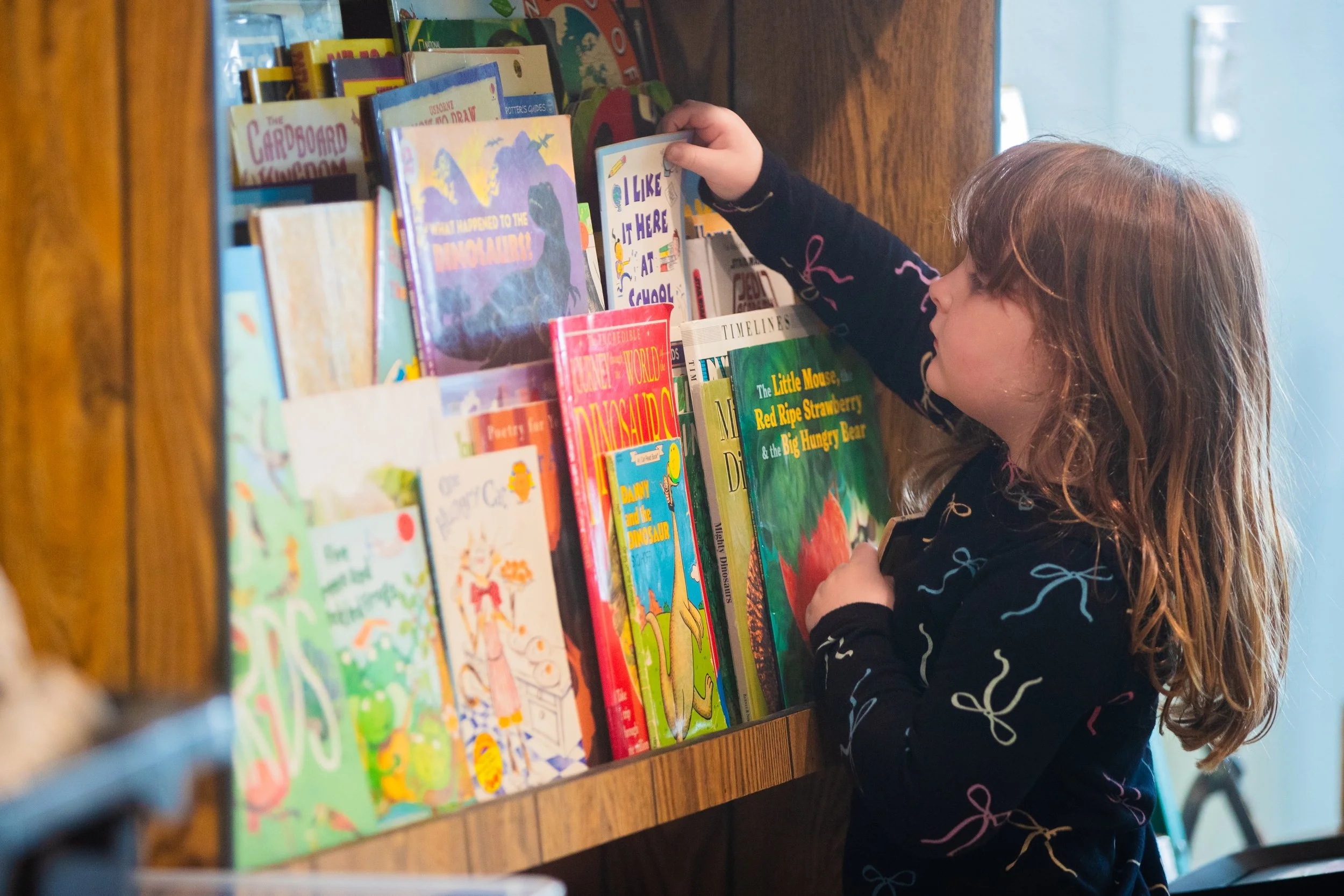
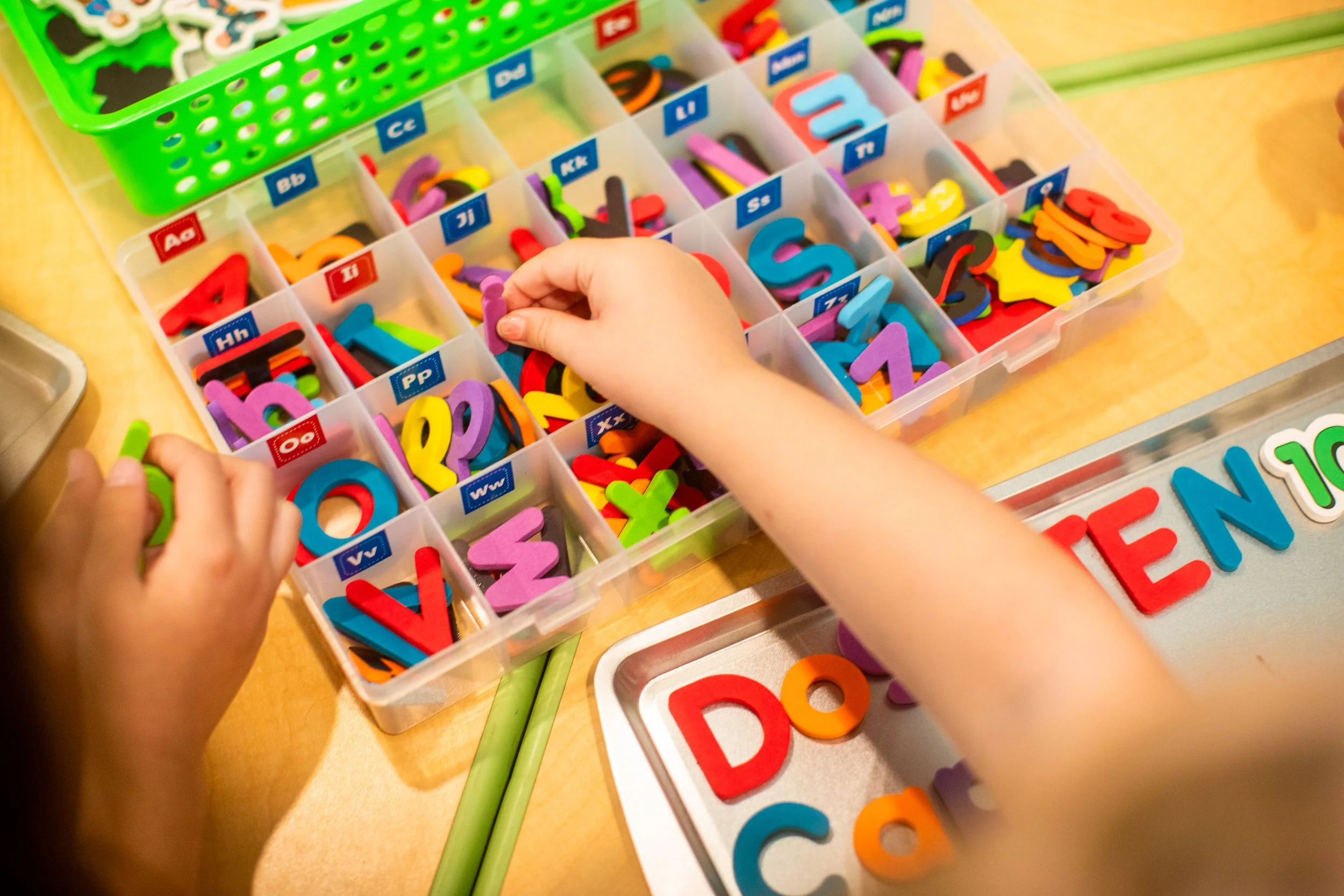
The Tidepool Prep curriculum is organized around standards-based, cross-curricular project units that connect learning to authentic questions and real-world experiences.
Projects are carefully leveled by grade while allowing students to collaborate across age groups when appropriate. Students apply knowledge from multiple disciplines to investigate complex topics, solve problems, and create meaningful work.
As students progress through the grades, projects become increasingly sophisticated, expanding their understanding of local communities, global cultures, environmental systems, and human innovation. Learning is not confined to individual subjects but woven together through purposeful inquiry and discovery.
As Tidepool Prep grows, students will learn in thoughtfully designed multi-grade classrooms that foster collaboration, mentorship, and leadership. Younger students benefit from observing and learning alongside older peers, while older students develop confidence and responsibility by serving as role models and guides.
This structure reflects the realities of life beyond school, where people work across ages, backgrounds, and skill levels. Students learn to communicate, cooperate, and contribute within a diverse learning community.
Multi-Grade Learning Communities
Outdoor education is not an occasional enrichment activity, it is an essential part of the Tidepool Prep experience.
Learning experiences are intentionally connected to classroom curriculum and help students develop a deep sense of place, stewardship, and responsibility. Whether tending gardens, conducting field investigations, exploring local ecosystems, or engaging in outdoor challenges, students learn to observe carefully, think critically, and care for the world around them.
As Tidepool Prep expands through middle and high school, outdoor education will continue to evolve through increasingly complex environmental studies, service projects, leadership opportunities, and experiential learning experiences.
Outdoor Education & Stewardship
Academic Stations &
Independent Learning
A defining feature of the Tidepool Prep model is the use of intentional academic stations. During each learning block, students engage in hands-on, collaborative tasks while teachers provide direct instruction to small groups.
These stations are carefully planned and organized to support mastery, independence, and meaningful engagement. Students learn to manage their time, work productively with peers, and take ownership of their learning. Over time, academic stations cultivate self-efficacy, perseverance, and confidence while providing multiple pathways to understanding across all subject areas.
Social-Emotional Learning:
The Foundation of the Community
Supporting every aspect of Tidepool Prep is a comprehensive approach to social-emotional learning.
Throughout the year, students engage with monthly themes that nurture belonging, accomplishment, curiosity, creativity, leadership, responsibility, confidence, adventure, and an appreciation for heroes who inspire positive action.
Daily structures such as morning meetings, accountable talk, think-it-through problem-solving, and a shared language for communication create a strong sense of community and emotional safety.
Teachers support this work through positive relationships, proactive planning, responsive instruction, and restorative circles that help students learn from challenges and strengthen connections with one another.